Electric Grinder Wholesale: A Buyer’s Guide to Custom Products
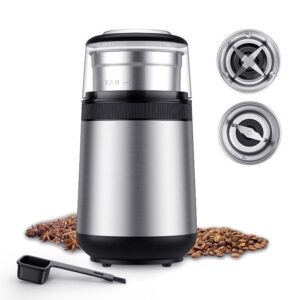
Electric grinders offer a convenient alternative to traditional manual grinders, making them an option for brands, distributors, and retailers looking to expand their product ranges. Compared with hand-operated designs, electric models use a motorized mechanism to process material with less manual effort. Depending on the model, they may feature one-button operation, rechargeable power, replaceable components, or compact portable construction.
For B2B buyers, sourcing an electric grinder is about more than choosing a product that looks good. Motor performance, power supply, operating controls, cleaning access, exterior finish, packaging, and long-term supplier consistency all influence the final purchasing decision.
AGG HEMP supports wholesale buyers looking for customizable product options and coordinated sourcing. Whether you are building a new retail collection or adding an electric model to an existing grinder range, the right specification should match your target market, budget, and sales channel.
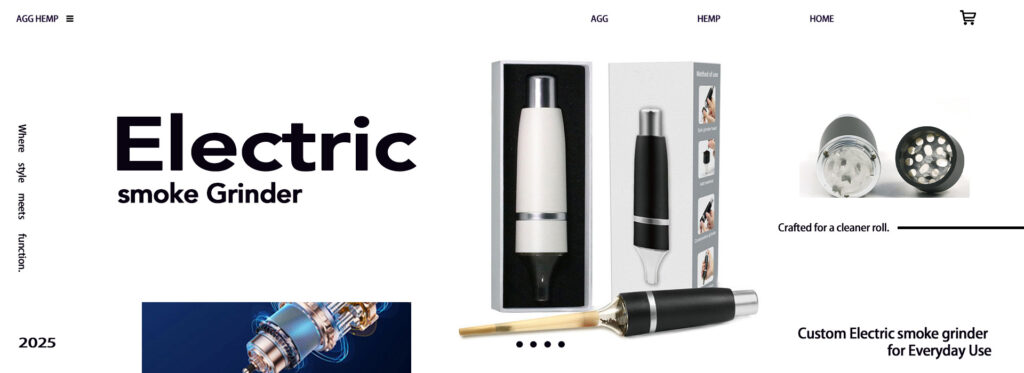
1. What Is an Electric Grinder?
An electric grinder uses a powered motor to rotate or drive a grinding mechanism. Instead of turning the lid manually, the user activates the unit through a button, switch, or another control system, depending on the design.
Electric grinders are available in different sizes, housing materials, operating styles, and power configurations. Some are designed for compact everyday use, while others prioritize larger chambers or a more substantial exterior.
For wholesalers, the key is to select a product configuration that makes sense for the intended customer. A compact model may suit convenience-focused retail collections, while a larger unit may appeal to customers who prioritize capacity or a more substantial product feel.
Common electric grinder configurations
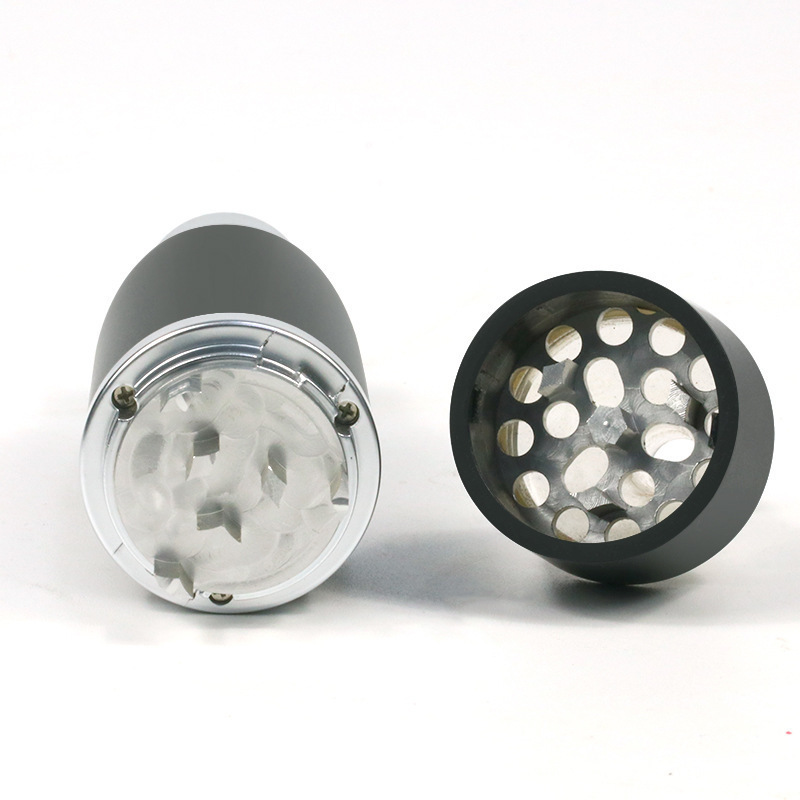
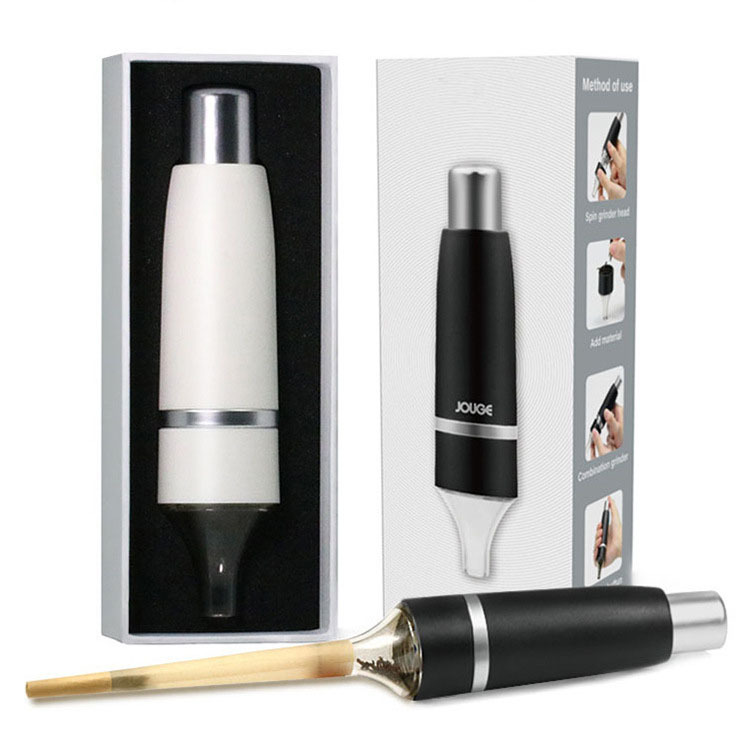
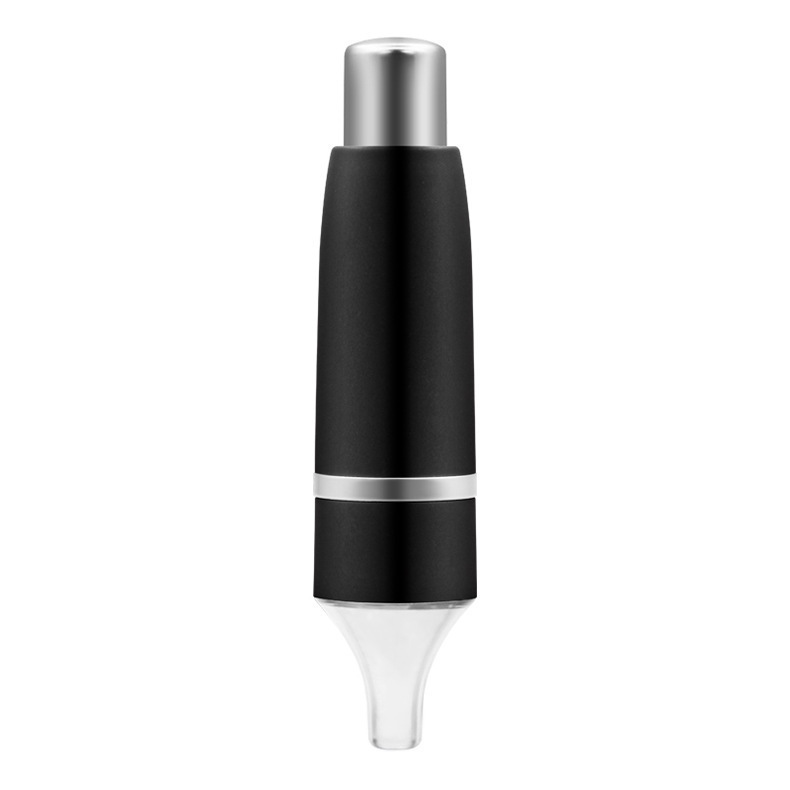
- Compact electric models: Focus on portability and space-efficient storage.
- Larger-capacity models: Prioritize chamber capacity and ease of handling.
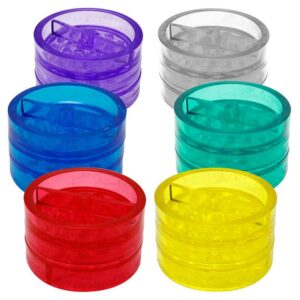
- Transparent-chamber designs: Allow users to see the chamber contents, depending on the product structure.
- Rechargeable models: Use a rechargeable battery and compatible charging system when specified by the manufacturer.
- Battery-powered models: Operate with replaceable batteries on certain designs.
Not every electric grinder includes the same features. Buyers should confirm the power source, charging method, chamber construction, and operating mechanism for each model before placing a bulk order.
2. Why Source Electric Grinders Wholesale?
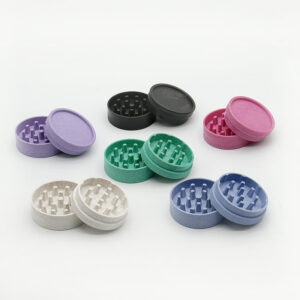
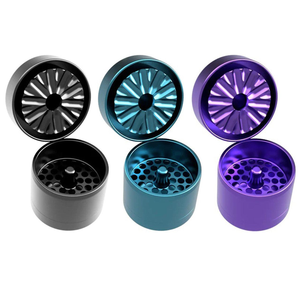
For retailers and distributors, electric grinders can complement manual zinc alloy, aluminum, acrylic, and wooden grinder collections. Offering several product styles gives customers more choice and helps buyers build a broader assortment at different price points.
Convenience and ease of operation
Motorized operation reduces the need for repeated manual twisting. This can be an important product benefit for customers who prefer a simple operating process. The actual operating experience, however, depends on motor strength, grinding mechanism, chamber design, and the material being processed.
Product differentiation
An electric model can create a distinct category within a grinder collection. Exterior color, button placement, body shape, surface texture, and retail packaging all influence how the product is presented.
Opportunities for private labeling
For established brands, custom branding can help create a consistent appearance across multiple product categories. Depending on the model and manufacturing options, customization may include logo printing, color selection, surface finishes, instruction inserts, and branded packaging.
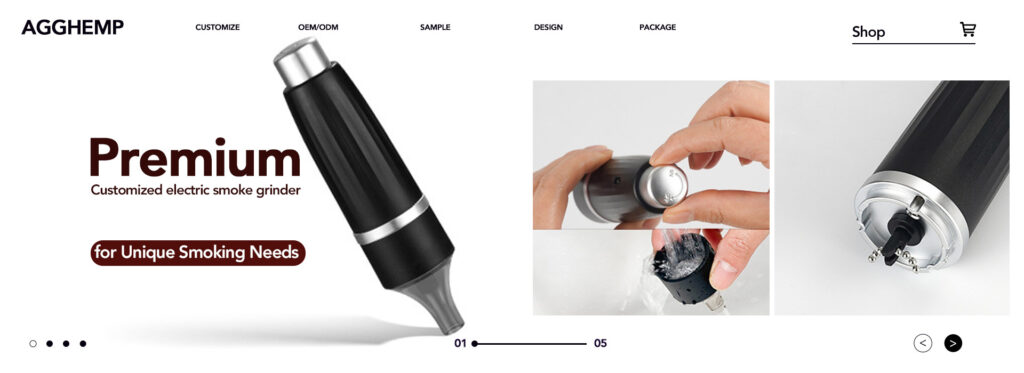
3. Key Features Buyers Should Compare
When evaluating electric grinder suppliers, compare complete product configurations rather than relying on exterior appearance alone.
Motor and operating performance
Ask how the motor operates and what type of grinding mechanism the unit uses. Confirm the intended use, recommended operating duration, and any restrictions stated by the manufacturer. Avoid assuming that two visually similar models will deliver the same performance.
Power supply and charging
Power configuration is an important sourcing detail. Depending on the product, an electric grinder may use replaceable batteries, an integrated rechargeable battery, or another specified power arrangement.
For rechargeable models, confirm:
- Battery type and rated capacity, where applicable
- Charging interface and supplied cable
- Input voltage and charging requirements
- Charging indicator behavior, if available
- Battery documentation and shipping requirements
Battery specifications should be documented against the exact model being purchased. If a shipment contains lithium batteries, confirm the applicable transport and carrier requirements before dispatch.
Chamber and grinding mechanism
The chamber and grinding components affect capacity, maintenance, and the user experience. Buyers should check how the unit opens, how material is loaded, whether the chamber can be removed, and which parts can be cleaned safely.
Housing and surface finish
Housing materials may include plastic, metal, or a combination of materials, depending on the design. Each option can create a different visual style, weight, and cost structure. Request actual product samples when material feel, color accuracy, or finish quality is important to your brand.
4. Electric Grinder Specifications: What to Confirm Before Ordering
A clear specification sheet reduces misunderstandings between buyers, suppliers, and quality inspection teams. Use the following checklist to compare models and document the agreed requirements.
| Specification | Details to confirm |
|---|---|
| Product type | Electric grinder model and intended application |
| Overall dimensions | Length, width, height, and weight |
| Housing material | Plastic, metal, or specified material combination |
| Grinding mechanism | Design, material, and maintenance requirements |
| Chamber capacity | Usable capacity confirmed by the supplier |
| Power source | Replaceable battery, rechargeable battery, or other configuration |
| Charging system | Interface, input requirements, and accessories, if applicable |
| Operating control | Button, switch, or other mechanism |
| Safety features | Any fitted interlock, cover detection, or overload protection |
| Color and finish | Standard colors or approved custom finishes |
| Branding | Logo method, placement, size, and artwork requirements |
| Packaging | Individual box, inserts, manuals, and master carton |
| Quality requirements | Agreed inspection criteria and sample approval |
Specifications vary by model. Do not treat a feature as standard unless the supplier confirms it in writing for the exact item and production batch.
5. Custom Electric Grinders for OEM and ODM Projects
A wholesale product does not have to look identical to every competing item on the market. For brands developing a differentiated range, customization can begin with a standard model and progress to a more tailored product configuration, depending on tooling, budget, and supplier capability.
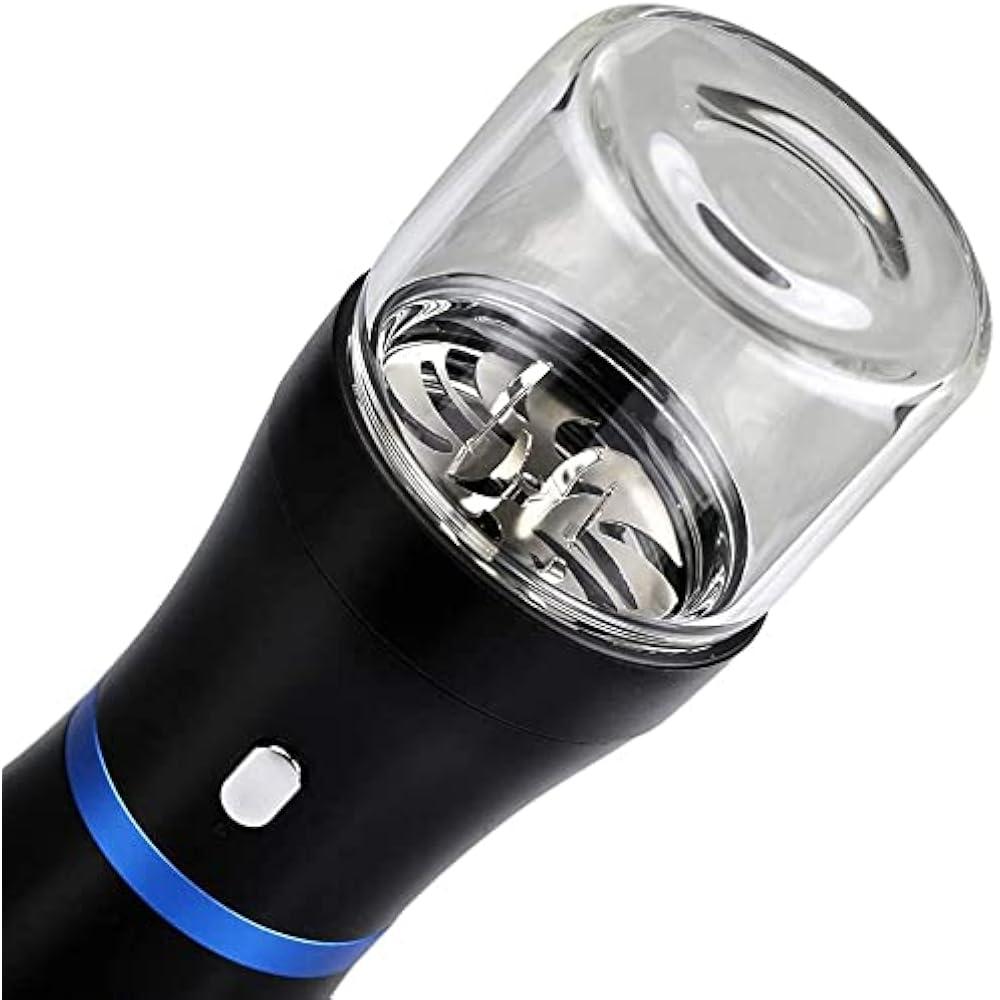
Logo and brand presentation
Possible branding methods include pad printing, screen printing, laser marking on compatible surfaces, or other processes supported by the product material. Before approving mass production, check the logo size, position, contrast, durability, and appearance on a physical sample.
Color and finish customization
Buyers may request colors that align with an existing brand identity or retail collection. Metallic-looking finishes, matte surfaces, glossy colors, and transparent components may be available on selected designs. Confirm whether the requested finish is a standard option or requires additional development.
Packaging and retail readiness
Packaging affects both presentation and logistics. Depending on the product and sales channel, a package may include a printed box, protective insert, product instructions, charging accessories where applicable, and a barcode or SKU label.
For international wholesale orders, ensure the packaging language, warnings, electrical information, and product claims match the destination market and the confirmed product configuration.
6. Electric Grinder vs. Manual Grinder
Electric and manual grinders serve different purchasing priorities. Neither is automatically the better choice for every customer.
| Comparison point | Electric grinder | Manual grinder |
|---|---|---|
| Operation | Motor-driven | Hand-operated |
| User effort | Generally less twisting effort | Requires manual rotation |
| Power requirement | Depends on the model | Usually no electrical power |
| Maintenance | May involve motor, battery, or charging components | Usually focuses on mechanical parts |
| Portability | Depends on size and power design | Often straightforward to carry |
| Product cost | Depends on electronics, materials, and design | Often available in simpler configurations |
| Customization | Exterior, controls, branding, and packaging where supported | Body material, shape, teeth, finish, and branding where supported |
A retailer may benefit from stocking both categories. Manual models can serve customers who prefer a straightforward mechanical design, while electric models provide an alternative for buyers who value motorized operation.
7. Quality Control for Bulk Electric Grinder Orders
Quality consistency is especially important when ordering products under a private label. A sample that works well does not automatically guarantee that every unit in a large shipment will meet the same standard. Buyers should agree on inspection procedures before production begins.
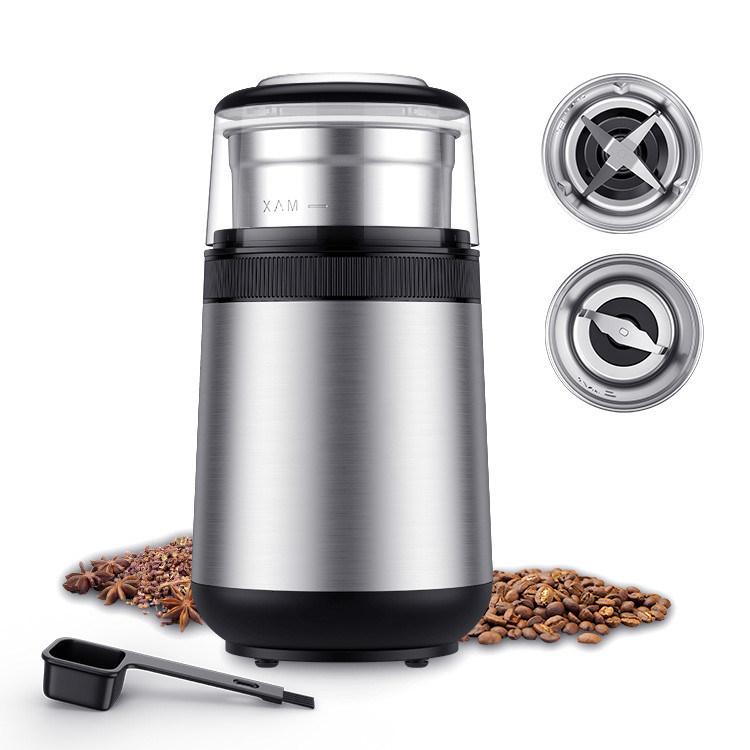
Recommended inspection checkpoints
Appearance inspection: Check for scratches, uneven color, loose components, poor assembly, and inconsistent logo placement.
Operating test: Test a representative sample for startup, normal operation, unusual noise, vibration, and consistent control response. Use the test procedure agreed with the supplier.
Power and charging checks: For powered models, verify the power configuration, charging function where applicable, indicator behavior if fitted, and the supplied accessories against the approved sample.
Component and assembly checks: Inspect covers, lids, chambers, buttons, threads, and removable components. Check that parts fit properly and do not become loose during normal handling.
Packaging inspection: Verify that the correct model, color, logo, accessories, instructions, and labels are included in the right quantities.
Batch documentation: Record the approved sample, final specifications, inspection results, and any agreed corrective actions. This provides a reference for repeat orders.
If your destination market requires specific electrical, battery, chemical, or consumer-product compliance documentation, confirm the applicable requirements with the supplier and a qualified compliance professional before shipment.
8. Cleaning and Maintenance Considerations
Cleaning requirements depend on the grinding mechanism, housing materials, and whether the unit contains electrical components. Clear care instructions can help retailers reduce avoidable complaints and improve the customer experience.
- Switch off the unit before cleaning. Disconnect the charging cable and remove the battery only if the design and manufacturer’s instructions allow it.
- Keep electrical components dry. Do not immerse the motor housing, battery compartment, or charging port in water unless the manufacturer explicitly confirms that the component is designed for that use.
- Clean removable parts carefully. Follow the manufacturer’s guidance for the chamber and grinding components. Not all materials or coatings are suitable for alcohol-based cleaners or abrasive tools.
- Avoid forcing jammed components. Stop operation if the mechanism becomes obstructed, then follow the product’s approved clearing procedure.
- Store the unit correctly. Keep it away from excessive heat, moisture, and conditions outside the manufacturer’s stated storage range.
- Follow battery instructions. Use the specified charging equipment and discontinue use if the battery or housing shows damage.
For private-label orders, consider including a concise care guide in the retail package. Simple, accurate instructions can help customers understand what can be removed, which areas must remain dry, and how to store the product safely.
9. How to Choose an Electric Grinder Supplier
A competitive quotation matters, but the lowest unit price is not the only factor worth comparing. Buyers should evaluate the supplier’s ability to provide consistent specifications, clear communication, dependable inspection, and suitable packaging.
Questions to ask before placing an order
- Which electric grinder models are currently available?
- What are the confirmed dimensions, materials, chamber capacity, and power specifications?
- Can the supplier provide a sample for functional and appearance testing?
- Which logo, color, and packaging customizations are supported?
- What are the minimum order quantity and price breaks for different quantities?
- What is the production lead time after sample and artwork approval?
- What inspection procedures and quality records are available?
- If the product contains a battery, what supporting documentation can be provided for the intended shipping route and destination market?
Request a written quotation that identifies the exact model, included accessories, customization costs, packaging configuration, production schedule, and shipping terms. This makes supplier comparisons more meaningful and helps avoid unexpected costs.
10. The Wholesale Ordering Process
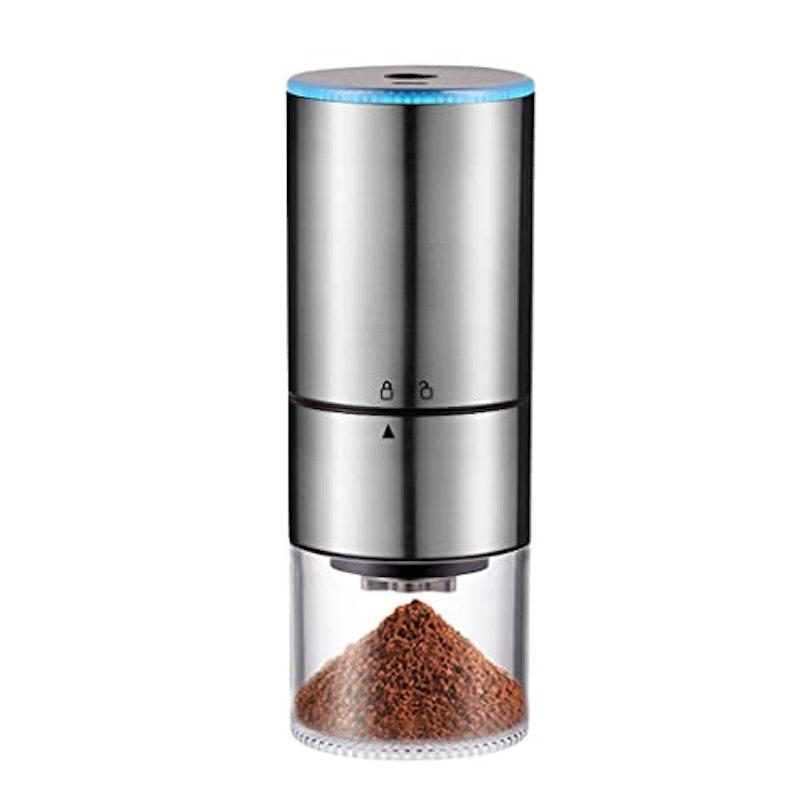
A structured ordering process helps keep product development and purchasing decisions on track.
- Define the requirements. Establish your target retail price, expected order volume, preferred appearance, and intended sales market.
- Select a model. Compare available designs and review the specifications before committing to customization.
- Evaluate a sample. Test the product’s operation, handling, appearance, and cleaning requirements.
- Approve branding and packaging. Confirm artwork, colors, inserts, labels, and instructions in a final sample or approved proof.
- Confirm the purchase order. Document quantities, pricing, lead time, quality criteria, and delivery terms.
- Complete production inspection. Check the finished goods against the approved specification and agreed acceptance criteria.
- Arrange shipment. Confirm carton details, shipping documentation, and any applicable battery or product compliance requirements.
This process is suitable for first-time buyers and established distributors placing repeat orders. The level of customization and inspection can be adjusted to suit the project.
FAQs:
1. Can I order electric grinders wholesale with a custom logo?
Custom logo options may be available depending on the model, surface material, printing method, and order quantity. Confirm the supported branding process, setup costs, and artwork requirements before production.
2. Are all electric grinders rechargeable?
No. Power arrangements vary by model. Some use rechargeable batteries, while others may use replaceable batteries or another specified power source. Always verify the exact configuration before ordering.
3. What is the minimum order quantity for electric grinders?
MOQ depends on the selected model, customization requirements, packaging, and production arrangements. Request a quotation for both standard products and customized orders to understand the available options.
4. Can electric grinders be sold under my own brand?
Private-label arrangements may support logo application, color selection, and custom retail packaging. More extensive changes to the housing or internal structure depend on the supplier’s manufacturing capabilities and development requirements.
5. What should I check before approving a sample?
Review the appearance, materials, controls, grinding operation, chamber access, cleaning requirements, power or charging behavior where applicable, packaging, and logo quality. Compare the sample against the written specification rather than relying on photographs alone.
6. What information should I provide to receive a wholesale quotation?
Provide your preferred model or product reference, estimated quantity, target market, logo requirements, packaging preferences, and destination country. If you need a rechargeable version, specify that requirement so the supplier can quote the correct configuration.
7. Are electric grinders suitable for international shipping?
Shipping suitability depends on the product design, destination, carrier, and applicable regulations. Models containing batteries may require additional documentation, packaging, or transport arrangements. Confirm these details before production and dispatch.
Source Electric Grinders Wholesale with AGG HEMP
For brands, importers, and distributors, selecting the right electric grinder means balancing product functionality, appearance, cost, and supply consistency. Comparing samples, documenting specifications, and agreeing on quality requirements before mass production can make the sourcing process more predictable.
AGG HEMP works with B2B buyers exploring wholesale product sourcing and customization options. Share your target quantity, preferred design, branding requirements, and destination market to discuss a suitable product configuration.
Contact AGG HEMP
Email:info@agghemp.com
Phone:+86 18056416155
WhatsApp:+86 18056416155
Next article in the grinder series: Electric Grinder Problems: Common Issues, Troubleshooting, and Buyer Quality Checks.