
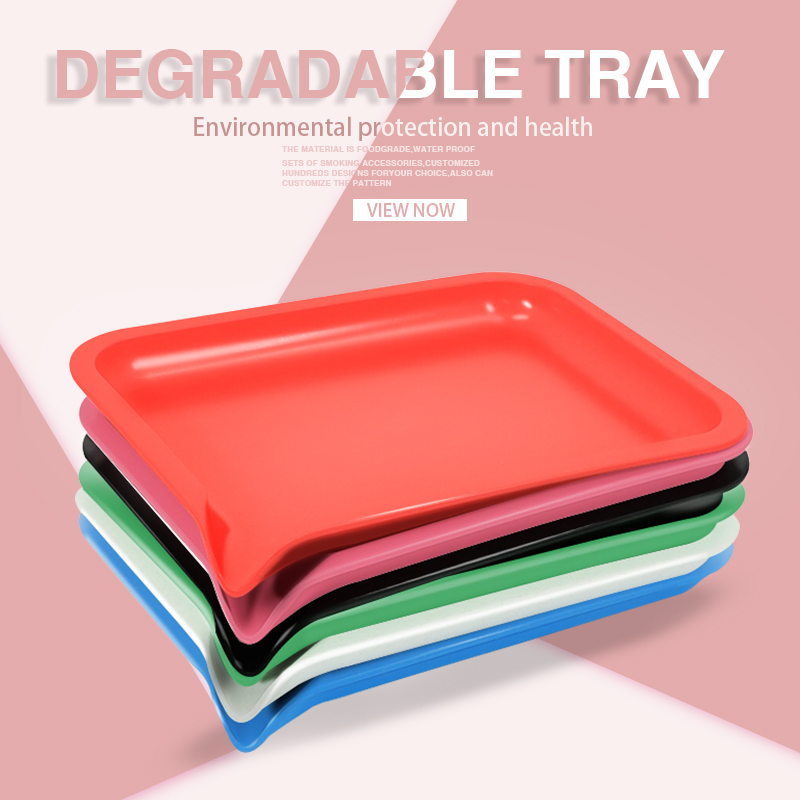
When buyers search for plastic trays, they are rarely looking for a single, generic product. Instead, they are trying to solve specific problems: organizing goods, ensuring food safety, handling weight loads, or meeting the requirements of large retail platforms. Understanding plastic tray uses scenarios is the key to choosing the right product—and to supplying the right solution.
This article explores how plastic trays are used across different industries and environments, and how those use cases directly influence material selection, size, load capacity, and compliance standards.
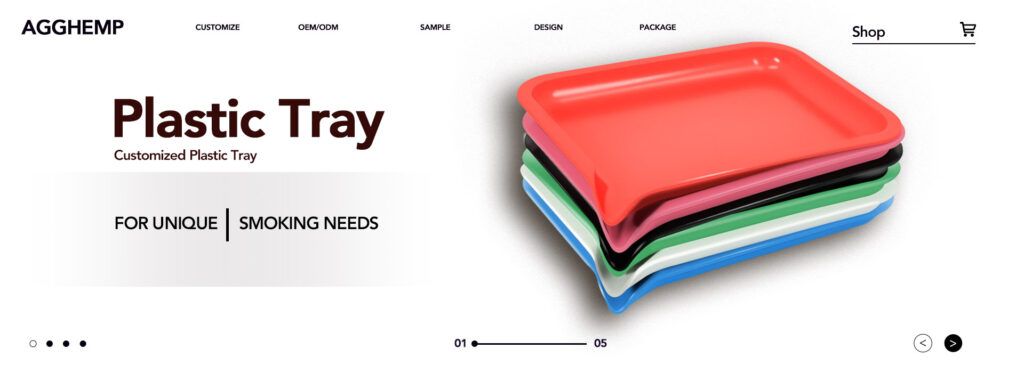
1. Why Plastic Tray Uses Matters More Than Material Alone
Plastic trays are often chosen because they are lightweight, durable, and cost-effective. However, usage scenarios define far more than appearance. They determine:
- Which plastic material should be used
- Whether food-grade certification is required
- How much weight the tray must support
- What size and shape are practical
- Whether the tray meets platform or retailer standards
From warehouses to kitchens, from retail shelves to logistics centers, plastic trays adapt to many environments—but only when designed correctly.
2. Plastic Trays for Storage and Organization
2.1 Household and Commercial Storage
One of the most common plastic tray uses is storage. In homes, offices, and commercial spaces, plastic trays help keep items visible, accessible, and organized.
Typical applications include:
- Desk and drawer organization
- Tool and accessory storage
- Cosmetics, personal care, or small goods sorting
- Back-of-house organization in retail and hospitality
In these scenarios, buyers care about:
- Stackability
- Lightweight handling
- Smooth surfaces that are easy to clean
- Resistance to cracking or deformation
Plastic trays used for storage are often designed with shallow walls, reinforced bases, and standardized dimensions to fit shelves or cabinets.
2.2 Warehouse and Industrial Storage
In warehouses or production environments, plastic trays act as containers for components, parts, or semi-finished products.
Key requirements include:
- Consistent sizing for automation or shelving systems
- High durability for repeated handling
- Compatibility with pallets or conveyor belts
Here, usage determines whether the tray should be flexible or rigid, open or enclosed, and whether anti-static or impact-resistant materials are needed.
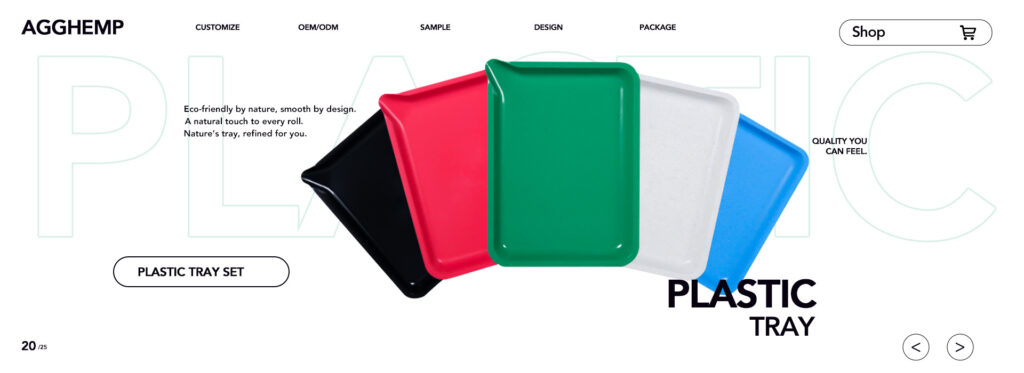
3. Plastic Tray as a Functional Container
3.1 Handling, Transport, and Sorting
Plastic trays are widely used as containers during transport and sorting processes. Compared to cardboard or metal alternatives, plastic trays offer better reuse value and moisture resistance.
Common container uses include:
- In-factory material transfer
- Order sorting and picking
- Distribution center workflows
For these applications, buyers focus on:
- Load-bearing strength
- Reinforced corners or ribs
- Compatibility with stacking and nesting
A well-designed plastic tray container reduces product damage and improves operational efficiency.
3.2 Reusable Systems and Sustainability
Reusable plastic trays are increasingly used to replace single-use packaging. In closed-loop systems, trays circulate between suppliers, warehouses, and retailers.
Usage scenarios like this require:
- Long service life
- Resistance to washing and sanitizing
- Stable dimensions after repeated use
Sustainability goals are often met not by lighter trays, but by trays designed for long-term reuse.
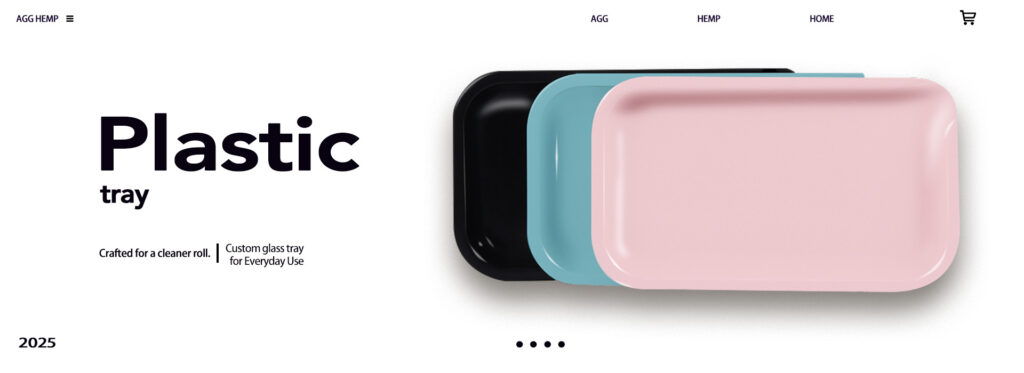
4. Food-Grade Plastic Tray Applications
4.1 Why Food-Grade Certification Is Essential
When plastic trays are used in food-related environments, safety becomes the top priority. Food-grade plastic trays are designed to comply with regulatory standards and prevent contamination.
Typical food-related uses include:
- Food processing and preparation
- Bakery and pastry handling
- Meat, seafood, and produce transport
- Cold storage and refrigerated logistics
In these scenarios, buyers look for:
- Certified food-safe materials
- Non-toxic, odor-free plastics
- Smooth surfaces that prevent residue buildup
Usage in direct food contact environments requires strict material selection and controlled production processes.
4.2 Cold Chain and Temperature Resistance
Food logistics often involve cold or frozen environments. Plastic trays used in cold chains must maintain strength and shape under low temperatures.
Key considerations include:
- Resistance to cracking in cold storage
- Stability under repeated temperature changes
- Compatibility with washing and sanitation procedures
Here, usage directly influences the choice between different plastic formulations.
5. Size and Load Capacity: Matching the Application
5.1 Choosing the Right Size
Plastic tray size is not only about volume—it is about workflow compatibility. A tray that is too large wastes space, while one that is too small disrupts efficiency.
Usage-driven size considerations include:
- Shelf and rack dimensions
- Conveyor or pallet compatibility
- Manual handling requirements
For example, retail backrooms may prefer medium-sized trays for easy lifting, while warehouses may prioritize larger trays for bulk handling.
5.2 Load-Bearing Requirements
Load capacity is another critical factor shaped by usage. Plastic trays used for light storage differ significantly from those used in industrial or food logistics.
Buyers typically assess:
- Maximum static load
- Stacking load when trays are piled
- Long-term deformation resistance
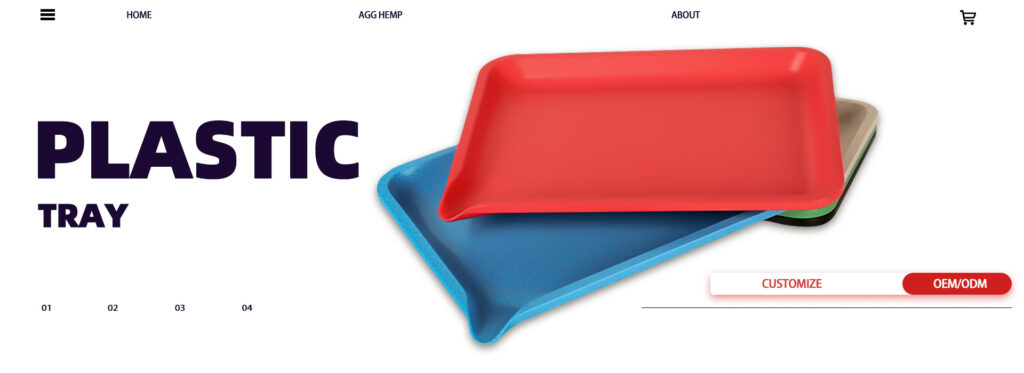
A tray designed for display may focus on appearance, while one designed for logistics must prioritize structural strength.
6. Compliance with Large Platforms and Retail Standards
6.1 Why Platform Compatibility Matters
Many buyers source plastic trays specifically for use within large retail systems or distribution networks. These platforms often have strict requirements regarding size, material, and durability.
Plastic trays used for large platforms must often:
- Meet standardized dimensions
- Pass load and drop tests
- Be compatible with automated systems
Failure to meet these standards can result in rejected shipments or operational inefficiencies.
6.2 Retail and Supermarket Use Cases
In supermarkets and chain stores, plastic trays are used behind the scenes as well as on shelves.
Typical uses include:
- Produce display and replenishment
- Backroom storage
- In-store logistics
Here, plastic trays must balance strength, hygiene, and ease of handling, while also aligning with the operational standards of large retailers.
7. How Usage Scenarios Guide Custom Plastic Tray Design
Customization is often driven not by aesthetics, but by application needs. When buyers understand how a plastic tray will be used, customization becomes a functional advantage.
Common customization options include:
- Size and depth adjustments
- Reinforced bases or walls
- Color coding for workflow organization
- Branding or identification marks
Usage-based customization helps reduce errors, improve efficiency, and extend product life.
8. Choosing the Right Plastic Tray for Your Application
Selecting the right plastic tray starts with asking the right questions:
- Where will the tray be used?
- What will it hold?
- How often will it be handled or cleaned?
- Does it need to meet food-grade or platform standards?
By focusing on plastic tray uses, buyers can avoid overpaying for unnecessary features—or underestimating critical requirements.
Conclusion: Usage Defines Value
Plastic trays are not one-size-fits-all products. Their value lies in how well they match real-world usage scenarios—whether for storage, container handling, food safety, load-bearing performance, or platform compliance.
Understanding these applications allows buyers to make informed decisions and helps suppliers deliver solutions that perform reliably over time.
If you are sourcing plastic trays for specific applications or need customized solutions based on your usage scenario, working with an experienced manufacturer ensures the right balance between performance, cost, and compliance.
👉 Contact us now to discuss your design, request samples, or get a fast quotation:
Email:info@agghemp.com
Website:https://www.agghemp.com/contact us
FAQs:
1. What are the most common plastic tray uses?
The most common plastic tray uses include storage, organization, handling, and transport. Plastic trays are widely used in homes, warehouses, retail stores, and logistics centers to keep items organized, visible, and easy to move.
2. How are plastic tray uses different from plastic boxes or bins?
Plastic tray uses usually focus on open access and quick handling. Unlike boxes or bins, plastic trays allow users to see and reach items easily, which makes them ideal for sorting, display, and short-term storage.
3. Are plastic tray uses suitable for food-related applications?
Yes, plastic tray uses are common in food processing, preparation, and distribution when food-grade materials are used. These trays are designed to meet hygiene and safety requirements and are easy to clean and sanitize.
4. How do plastic tray uses affect size selection?
Plastic tray uses determine how large or deep a tray should be. Light storage or display applications often use smaller trays, while industrial or logistics uses require larger trays with higher load capacity.
5. Do plastic tray uses influence load-bearing requirements?
Absolutely. Plastic tray uses in logistics or industrial environments require higher load-bearing strength, especially when trays are stacked. For lighter uses, such as organization or display, load capacity is less critical.